 Sorga
Sorga
Автор: Maria Konopnicka
Год издания: 0000
 Das Gehirn - ein Beziehungsorgan
Автор: Thomas Fuchs
Год издания:
 Understanding Disorganized Attachment
Автор: David Shemmings
Год издания:
Disorganized attachment, the most extreme form of insecure attachment, can develop in a child when the person who is normally meant to protect them is a source of danger. This usually leads to 'fear without solution' and the effects can be lasting and damaging. This book is a comprehensive and accessible text on disorganized attachment. It outlines what it is, how it can be identified and the key causes, including neurological, biochemical and genetic explanations. Factors that contribute to disorganized attachment are covered including unresolved loss and trauma, and the behaviour of caregivers. The authors also discuss evidence-based interventions to help families and carers as well as how to work with adults to prevent or minimize its occurrence. To root the theory in practice and to illustrate real-life examples of disorganized attachment case vignettes are included. With an authoritative research base, this accessible text will be invaluable to practitioners and academics in the fields of social care, psychology, counselling and allied health professions as well as undergraduate and postgraduate students.
 Disorganized Children
Автор: Группа авторов
Год издания:
Disorganized children' may display a range of behaviours symptomatic of, for example, ADHD, autism and conduct disorders, but they often fail to meet all the criteria for a clear diagnosis. In this book, psychiatrists, speech, family and occupational therapists and neurodevelopment specialists present a range of behavioural and psychological strategies to help disorganized children improve concentration and performance in the classroom and deal with a variety of behaviour and social interaction difficulties. The authors also provide information and interventions for dyslexia, dyspraxia, OCD and schizophrenia, among others. The combination of information, exercises and case studies makes this a valuable tool for use by parents, health care and teaching professionals, and the authors provide an insight into the mind of disorganized children and practical guidance on how best to help them achieve their full potential.
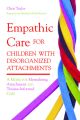 Empathic Care for Children with Disorganized Attachments
Автор: Chris Taylor
Год издания:
Disorganized attachment is the most extreme form of insecure attachment. This book is a practical guide to caring for children and young people with disorganized attachment and related emotional and psychological difficulties. Synthesising attachment, trauma and mentalization theory into a useful practice model, Empathic Care for Children with Disorganized Attachments proposes ways of meeting the needs arising in children and young people with disorganized attachments. Focusing on the importance of interpersonal bonds to facilitate the child's capacity to mentalize, it aims to equip the reader with the appropriate skills to provide effective, sustained and, most importantly, empathic care to the most vulnerable and troubled children. This structured psychotherapeutic approach to caregiving will enable the development of child–carer relationships and can be used to create informed, safe environments that support both the young person and the caregiver. This useful guide will be invaluable to health and social care professionals including residential carers, therapists, counsellors, and those working with vulnerable and troubled children and young people including those supporting foster and adoptive families.
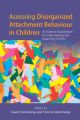 Assessing Disorganized Attachment Behaviour in Children
Автор: David Shemmings
Год издания:
Assessing Disorganized Attachment Behaviour in Children lays out an evidence-based model for working with and assessing children with disorganized attachment and their adult carers: families whose extreme, erratic and disturbing behaviour can make them perplexing and frustrating to work with. The model is designed to identify key indicators and explanatory mechanisms of child maltreatment: disorganized attachment in the child, a parent's unresolved loss or trauma, disconnected and extremely insensitive parenting, and low parental mentalisation. The book also outlines ways of assessing children for disorganized attachment and carer capacity, and proposes interventions. Accessible and practical, this book is essential reading for child protection professionals.