|
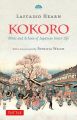
The 15 classic essays collected in Kokoro examine the inner spiritual life of Japan. The title itself can be translated as «heart,» «spirit» or «inner meaning,» and that's exactly what this collection teaches us about Japan. Sometimes touching and always compelling, the writings here tell the stories of the people and social codes that make Japan the unique place it is. «Kimiko» paints the portrait of a beautiful geisha; «By Force of Karma» tells the story of a Buddhist monk; and in «A Conservative,» we come to know the thoughts and actions of a Samurai. As an early interpreter of Japan to the West, Lafcadio Hearn was without parallel in his time. His numerous books about that country were read with a fascination that was a tribute to his keen powers of observation and the vividness of his descriptions. Today, even though Japan has changed greatly from what it was when he wrote about it, his writing is still valid, for it captures the essence of the country—an essence that has actually changed a good deal less than outward appearances might suggest. In a word, the Japanese character and the Japanese tradition are still fundamentally the same as Hearn found them to be, and for this reason, his books are still extremely revealing to readers in the West. Получить ссылку |
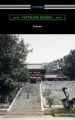 Kokoro (Translated by Edward McClellan)
Автор: Natsume Soseki
Год издания:
Literally meaning “heart”, the Japanese word “kokoro” can be more distinctly translated as “the heart of things” or “feeling.” Natsume Soseki’s 1914 novel, which was originally published in serial format in a Japanese newspaper, “Kokoro” deals with the transition from the Japanese Meiji society to the modern era. Divided into three parts “Sensei and I,” “My Parents and I,” and “Sensei and His Testament,” the novel explores the themes of loneliness and isolation. In the first part we find the narrator attending university where he befriends an older man, known only as “Sensei,” who lives a largely reclusive life. In the second part of the novel the narrator graduates from college and returns home to await the death of his father. The third part of the novel recounts a letter that the narrator receives from the “Sensei,” which describes the circumstances that caused his loss of faith in humanity and the guilt he feels over the death of a childhood friend which drives him to the reclusive life that he has led. A deeply thematic novel “Kokoro” provides an excellent introduction to one of Japan’s most beloved authors, Natsume Soseki. This edition follows the translation of Edwin McClelland.
 Kokoro
Автор: Natsume Soseki
Год издания:
Literally meaning «heart», the Japanese word «kokoro» can be more distinctly translated as «the heart of things» or «feeling.» Natsume Soseki's 1914 novel, which was originally published in serial format in a Japanese newspaper, «Kokoro» deals with the transition from the Japanese Meiji society to the modern era. Divided into three parts «Sensei and I,» «My Parents and I,» and «Sensei and His Testament,» the novel explores the themes of loneliness and isolation. In the first part we find the narrator attending university where he befriends an older man, known only as «Sensei,» who lives a largely reclusive life. In the second part of the novel the narrator graduates from college and returns home to await the death of his father. The third part of the novel recounts a letter that the narrator receives from the «Sensei,» which describes the circumstances that caused his loss of faith in humanity and the guilt he feels over the death of a childhood friend which drives him to the reclusive life that he has led. A deeply thematic novel «Kokoro» provides an excellent introduction to one of Japan's most beloved authors, Natsume Soseki.
Чтобы скачать книгу, отключите блокировку рекламы. Спасибо!